
The Importance of Balancing Omega-3 and Omega-6 for Individuals with Mold Illness

Mold illness, also known as chronic inflammatory response syndrome (CIRS), affects many people exposed to toxic mold. This condition triggers persistent inflammation and immune system challenges. One often overlooked but crucial factor in managing mold illness is the balance of omega-3 and omega-6 fatty acids in the diet. These essential fats play a significant role in controlling inflammation and supporting overall health. Understanding why balancing omega-3 and omega-6 matters can help those with mold illness improve their symptoms and quality of life.
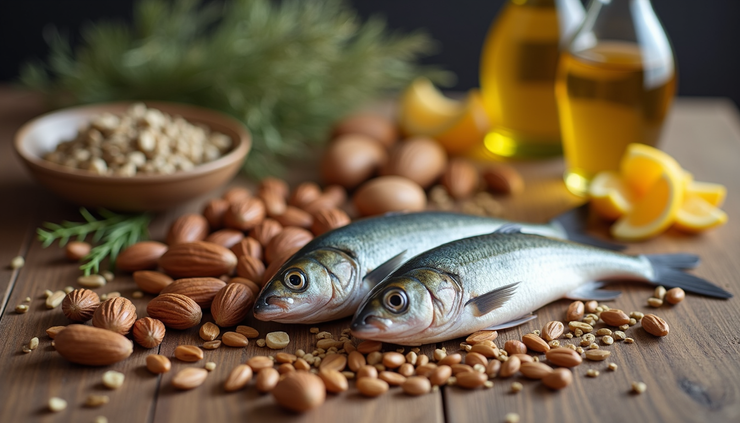
How Omega-3 and Omega-6 Fatty Acids Affect Inflammation
Omega-3 and omega-6 are types of polyunsaturated fatty acids that the body cannot produce on its own, so they must come from food. Both are vital for brain function, cell growth, and immune health. However, they have different effects on inflammation:
Omega-6 fatty acids tend to promote inflammation when consumed in excess. They are found in many vegetable oils, processed foods, and some nuts and seeds.
Omega-3 fatty acids help reduce inflammation and support the immune system. They are abundant in fatty fish like salmon, flaxseeds, chia seeds, and walnuts.
For people with mold illness, inflammation is a central problem. The immune system reacts to mold toxins by producing inflammatory molecules, which can worsen symptoms like fatigue, brain fog, and joint pain. An imbalance favoring omega-6 can increase this inflammatory response, making symptoms harder to control.
Why People with Mold Illness Need to Balance These Fats
The typical Western diet contains a high ratio of omega-6 to omega-3, often around 15:1 or higher, while a healthier balance is closer to 4:1 or even 1:1. This imbalance fuels chronic inflammation, which is already a problem for those with mold illness.
Balancing omega-3 and omega-6 helps by:
Reducing chronic inflammation that worsens mold illness symptoms.
Supporting immune regulation to prevent overreaction to mold toxins.
Improving brain function and mood, which are often affected by mold exposure.
Promoting cardiovascular health, since mold illness can increase stress on the heart.
Research shows that increasing omega-3 intake while reducing omega-6 can lower markers of inflammation such as C-reactive protein (CRP) and cytokines. This effect can help people with mold illness feel better and reduce flare-ups.
Practical Ways to Balance Omega-3 and Omega-6
Achieving a better balance requires both increasing omega-3 consumption and reducing omega-6 intake. Here are some practical tips:
Increase Omega-3 Intake
Eat fatty fish like salmon, mackerel, sardines, or trout at least twice a week.
Add flaxseeds or chia seeds to smoothies, oatmeal, or salads.
Snack on walnuts or use walnut oil in dressings.
Consider a high-quality fish oil or algae-based omega-3 supplement after consulting a healthcare provider.
Reduce Omega-6 Intake
Limit processed and fried foods, which often contain oils high in omega-6 such as soybean, corn, and sunflower oil.
Choose cooking oils lower in omega-6, like olive oil or avocado oil.
Avoid packaged snacks and baked goods that contain vegetable oils rich in omega-6.
Read labels carefully to identify hidden sources of omega-6 fats.
Monitor and Adjust
Keep a food diary to track omega-3 and omega-6 sources.
Work with a nutritionist or healthcare provider experienced in mold illness to tailor dietary changes.
Consider blood tests to measure fatty acid levels if recommended.
Additional Nutritional Support for Mold Illness
Balancing omega-3 and omega-6 is one part of a broader nutritional strategy to support recovery from mold illness. Other helpful approaches include:
Eating a diet rich in antioxidants from colorful fruits and vegetables to combat oxidative stress.
Staying hydrated to support detoxification.
Avoiding foods that may trigger inflammation or allergies.
Supporting gut health with probiotics and fiber, since gut function influences immune response.
Summary
People with mold illness face ongoing inflammation and immune challenges caused by exposure to mold toxins. Balancing omega-3 and omega-6 fatty acids plays a key role in managing this inflammation. By increasing omega-3 intake and reducing omega-6 consumption, individuals can help calm their immune system, reduce symptoms, and support overall health.
Taking practical steps to adjust dietary fats, combined with other nutritional support, offers a natural way to improve well-being for those affected by mold illness. If you suspect mold illness or want to optimize your diet, consult a healthcare professional for personalized guidance.


Comments